30 Shadow Work Questions to Know Yourself Better
These 30 shadow work questions will help you identify emotional triggers, challenge limiting beliefs, improve self-awareness, and better understand yourself.
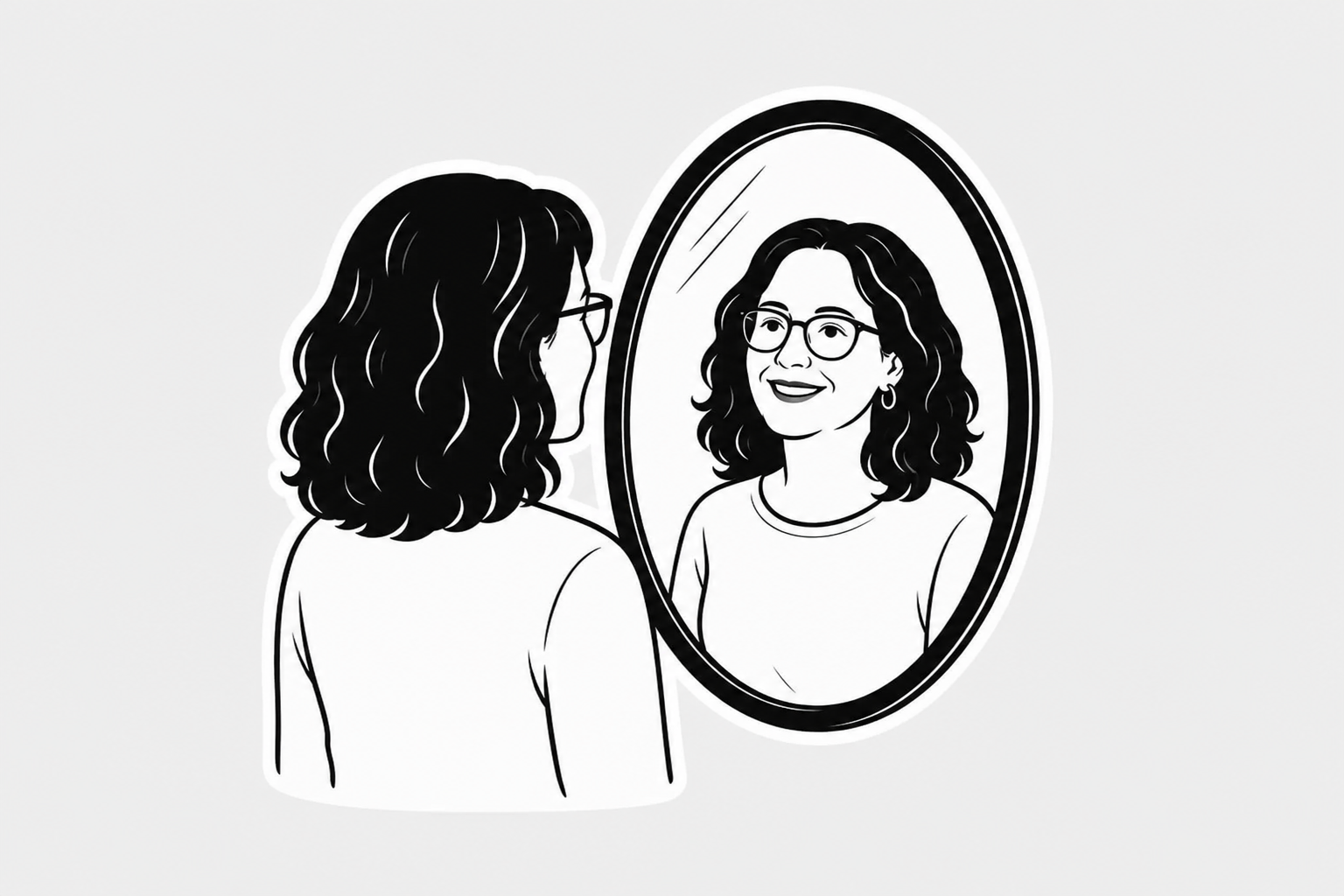
30 Powerful Shadow Work Questions for Deep Self-Reflection
What would you discover about yourself if you stopped pretending to be okay?
Shadow work questions help you uncover hidden beliefs, fears, and unconscious patterns that influence your thoughts and behavior.
In Jungian psychology, this disowned part of yourself is called your shadow; the aspects of your personality that didn’t survive childhood or cultural messaging. By asking honest questions, you create space to integrate your shadow into conscious awareness, leading to better self-awareness and healthier relationships
If you’re looking to experience the benefits of journaling for mental health, shadow work can really deepen your practice. It does this by directing reflection toward what you typically avoid in your daily life.
How to Use Shadow Work Questions
These shadow work journal prompts are designed to bring your shadow self into conscious awareness. Answer honestly, even when the truth feels uncomfortable.
Don’t rush through these journal prompts. Spend 5-10 minutes on each one. Let difficult emotions and negative emotions surface without judgment. Notice physical sensations and emotional reactions; they’re data pointing directly to shadow material and unresolved wounds you’ve been carrying.
Journal your responses, too. Writing keeps hold of insights that isolated thinking can easily miss. This type of shadow work practice transforms vague awareness into concrete understanding.
While you’re doing this, look for recurring patterns across multiple questions. Those patterns reveal what your shadow self is trying to tell you. When the same fear appears multiple times, that’s your unconscious mind signaling what needs attention. These are breadcrumbs that lead to coping mechanisms your inner child developed during childhood.
Over the coming weeks and months, revisit your answers. You’ll notice how your responses shift as you develop greater self-awareness and conscious awareness. That shift is proof that your shadow work journey is moving you forward. Some patterns dissolve while others will deepen as you understand them better. Present moment awareness (noticing what arises as you answer) is where real integration and personal growth happens.
If you feel overwhelmed, stop. Shadow work can stir repressed emotions, painful memories, and self criticism you’ve internalized. Remember that this isn’t a race, and for difficult material or traumatic events, professional support from a mental health professional is valuable. When you feel scared or stuck, self-soothe first (this could mean stepping outside, breathing deeply, or simply moving your body) before you continue exploring your own life and past experiences.
Shadow Work Questions About Self-Identity
These examine the hidden aspects you’ve learned to hide. Your shadow self contains both negative traits you reject and positive traits (often referred to as your golden shadow) that you’re afraid to claim. Many of your shadow emotions stem from childhood patterns; moments when you learned certain feelings weren’t acceptable.
In adult life, these old protective mechanisms still influence your behavior and self-perception, often through self-sabotage or self-criticism.
- What part of myself do I try hardest to hide?
- What criticism hurts me most?
- What am I afraid people would discover about me?
- What role do I constantly play around others?
- When do I feel most insecure?
- What quality in myself do I judge most harshly?
- What would my younger self say about who I’ve become?
- What achievement feels hollow, even when I reach it?
- How much of my identity comes from responding to others’ expectations?
- What would I do differently if no one was watching?
Shadow Work Questions About Relationships
Your relationship dynamics mirror your shadow. What triggers you in others is usually something you’ve disowned in yourself. Understanding your relationship patterns through reflection transforms how you show up. These shadow work prompts help you see how your coping mechanisms learned in past experiences are still running your intimate relationships. An example of this could be how you avoid conflict, constantly seek external validation or feel pressured by societal expectations.
- What relationship patterns keep repeating?
- What qualities in others trigger me most?
- What do I secretly expect from people?
- What am I afraid will happen if I set boundaries?
- What type of person do I constantly seek approval from?
- How do I typically react when someone disagrees with me?
- What do I resent most in my closest relationships?
- What would happen if I stopped trying to be what others need?
- Whose approval am I still seeking?
- What fear sits beneath my need to control or withdraw?
Shadow Work Questions About Fear and Emotional Triggers
Your emotional reactions point directly to shadow material: the difficult emotions and negative emotions you’ve been pushing away. When you feel disproportionate reactions, you’re encountering shadow material. Often, an outer trigger activates something much deeper: a painful truth you haven’t faced or an inner critic running your life.
These shadow work prompts help you understand the connection between present feelings and unconscious patterns. As you work through difficult emotions, you respond with conscious choice rather than automatic reaction. This is analytical psychology in practice, bringing unconscious material into conscious awareness.
- What emotion am I most uncomfortable feeling?
- What situation makes me instantly defensive?
- What am I trying to control right now?
- What truth about myself am I avoiding?
- When do I feel disproportionate anger?
- What makes me feel inadequate?
- What do I fear more than anything?
- What memory do I try not to think about?
- What unacknowledged desire am I sitting on?
- What negative thought pattern plays on repeat?
What to Do With Your Answers
Look for patterns first. Three similar answers across different questions reveal what your shadow is trying to communicate and bring to your conscious mind. These recurring patterns are breadcrumbs leading to your core wounds.
Revisit your answers over time. They’ll change as you develop conscious awareness on your shadow work journey. The shift in your responses proves that inner work moves you forward. Some patterns dissolve; others deepen as you understand them better.
Turn insights into action. Understanding a pattern matters less than responding differently to it. If you notice you withdraw when criticized, catch that impulse and choose something different. This is where shadow work transforms from an intellectual exercise into real change.
Use a shadow work journal to track recurring themes and emotional patterns. Use shadow work prompts for beginners. The process of seeing your shadow in others is called projection and it often shows up first in relationships. Watching for it is the beginning of breaking the pattern.
One note: watch for spiritual bypassing (using acceptance language to avoid actually confronting difficult material and negative emotions.) True integration means feeling the emotions, not transcending them. Self love and self compassion don’t mean skipping the painful parts; they mean moving through them with kindness.
Mindsera’s journaling features helps surface patterns automatically. Tag entries by emotion or theme, then review trends over time. This turns isolated insights into real psychological practice that sticks.
Conclusion
Shadow work isn’t about finding perfect answers but rather about asking honest questions consistently. This is ongoing inner work, part of becoming your whole self and building a fulfilling life. Instead of being influenced by unconscious patterns, you start making conscious choices aligned with your true self and core values.
Your inner critic protects your shadow, but that protection creates self sabotage and relationship struggles. You need self compassion when encountering parts of yourself that frighten you. Your shadow developed for a reason. It protected you once. Meeting it with curiosity allows real integration to happen.
This is how you build a fulfilling life where you show up as yourself, not a carefully edited version. Where past experiences inform your growth without controlling your current life. That’s the promise of shadow work: authenticity.
FAQ
How often should I do shadow work?
Start weekly with one journal prompt. Sit with it for 10 minutes. Work at your own pace; shadow work practice isn’t linear. Some weeks you’ll feel stuck; other weeks you’ll move through multiple prompts. Consistency matters more than speed.
Should I write my answers down?
Yes. Writing can support shadow work because it externalizes thoughts, making patterns visible that you’d otherwise miss. A shadow work journal creates continuity; you see how your responses shift over weeks and months. This external record is proof of your progress and helps you notice recurring patterns and emotional patterns you’d miss in isolated reflection.
What if a shadow work question makes me emotional?
That’s actually the point. Difficult emotions and negative emotions signal you’ve hit something real and important. These aren’t signs you’re doing it wrong; they’re signs you’re doing it right. Pause if needed. Self-soothe first (step outside, breathe, move) then return to the work when you’re ready. For significant trauma or if you feel stuck, talk therapy with a mental health professional provides the expertise and safety you might need. Shadow work and talk therapy work beautifully together.
Ready to explore your shadow through structured reflection? Download Mindsera and use guided journaling to work through these questions. Track emotional patterns, surface themes, and turn self-awareness into real change.