Is Shadow Work Real Therapy? What Psychology Says
Is shadow work real therapy or just a wellness trend? Explore what psychologists, Jungian therapy, and modern mental health experts actually say.
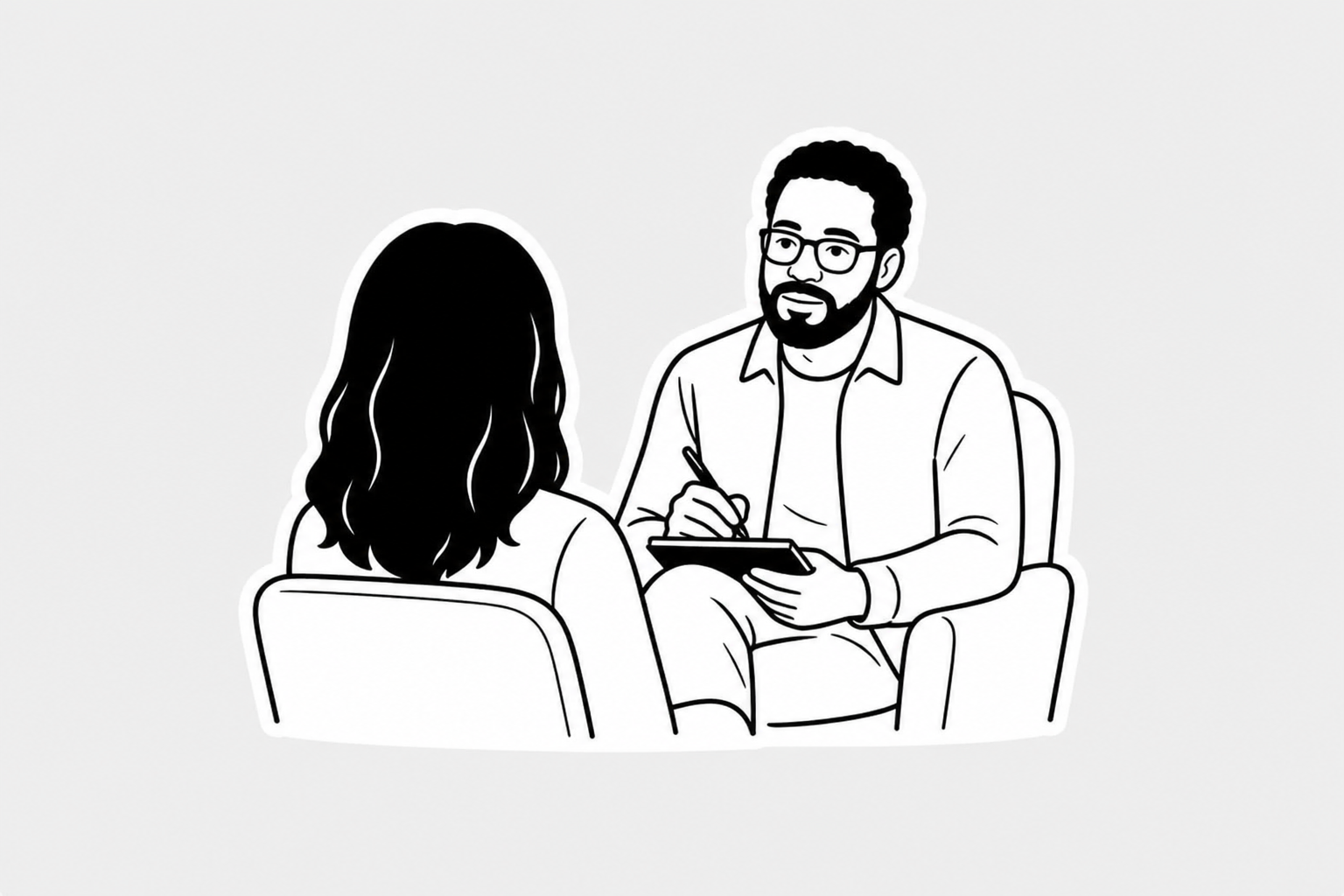
Is Shadow Work Real Therapy? What Psychology Actually Says
You’ve probably seen shadow work mentioned on TikTok or in a wellness podcast. Someone’s talking about discovering their “shadow self” through journaling. Another person claims shadow work changed their life and helped them develop better relationships. But then you wonder: Is this real psychology, or just another internet trend dressed up as self-help?
The answer actually matters more than you think.
Key Takeaway
Shadow work originated in Jungian psychology and overlaps with several real therapeutic approaches. Shadow work is not a replacement for professional mental health treatment. It’s a complementary practice that can support self-awareness, but for serious mental health conditions, trauma, or significant emotional struggles, you need a licensed therapist. Understanding this distinction changes how you should approach shadow work.
What Is Shadow Work, Really?
Shadow work sounds mystical, but it’s actually straightforward: it’s the process of exploring the repressed parts of yourself you don’t want to see.
Everyone has hidden aspects of their personality. You have emotions, desires, traits, and impulses that don’t fit your self-image. Maybe you’re proud of being “the calm one,” but you feel intense anger bubbling underneath. Maybe you’re generous in public but secretly resent giving time to others. Maybe you suppress ambition because someone once told you wanting too much was selfish. These disowned parts don’t disappear. In fact they exist in your unconscious mind, influencing your behavior in ways you can’t always see.
Shadow work is the practice of bringing those hidden aspects into conscious awareness. It’s about noticing what you’ve rejected in yourself and understanding why.
We can explore shadow work more deeply in our complete guide to shadow work, but the core idea is this: the more you understand about your own shadow, the less it controls you.
Where the Idea of Shadow Work Comes From
Although it may seem that way, shadow work isn’t some wellness invention of recent times. It comes from serious psychological theory and understanding that history changes how you should think about it.
Carl Jung and the Shadow Self
A Swiss psychiatrist named Carl Jung developed the concept of the shadow in the early 1900s. Jung believed that the human psyche contains far more than what we’re consciously aware of. In his Jungian psychology framework, he identified the shadow as the repository of everything the conscious mind rejects. Jung also theorized about the collective unconscious, a layer of the psyche shared across all humans that contains universal archetypes and patterns. But the personal shadow, unique to each individual, is where we store our disowned material, including disowned positive qualities. You might hide your golden shadow, the talents, strengths, and admirable traits you’ve learned to minimize or keep hidden.
Jung’s insight was this: the traits you hate in other people, the impulses you suppress, the parts of yourself that feel “wrong” don’t vanish just because you ignore them. They accumulate in your personal unconscious. And from there, they influence thoughts, emotions, and compulsive behaviors constantly.
Jung never said shadow integration wasn’t about becoming dark or unleashing your “true nature.” Jung saw shadow integration as becoming psychologically whole. He believed people needed to acknowledge all aspects of themselves (i.e. the aggressive parts, the selfish parts, the cowardly parts) in order to develop real psychological maturity and personal growth.
Instead of acting on every shadow impulse, the goal was to understand them. Know yourself, Jung said essentially, and you’ll have more choice in how you respond.
How Shadow Work Escaped Psychology Circles
For decades, shadow work lived in psychology offices. Jungian therapists and analytical psychology practitioners used it with clients. Then social media happened.
Around 2015 or so, shadow work started showing up on wellness blogs and Instagram. By 2020, it was everywhere. TikTok creators were filming shadow work prompts. Journaling apps added shadow work sections. Coaches marketed it as the key to healing.
To be fair, this isn’t entirely bad. It democratized the idea. More people learned that psychological self-awareness matters. But something changed in translation. The nuance got lost. The clinical rigor faded. What started as a serious psychological process turned into aesthetic content about “facing your dark side” with moody lighting.
That gap between what shadow work actually is and what social media says it is matters a lot.
Do Therapists Actually Use Shadow Work?
Yes, therapists use shadow work concepts constantly. They just don’t always call it that. The term ‘shadow’ is rarely used.
Jungian Therapy Uses Shadow Work Most Directly
If you see a therapist trained in Jungian therapy, you’re directly engaging with shadow work. A Jungian therapist will help you explore your unconscious aspects, notice your natural tendency to have strong negative reactions to others, and recognize how you project disowned parts of yourself onto the people around you.
They might use dream analysis. Jung believed dreams reveal what your conscious mind censors. Dream work can show you what your personal unconscious is trying to communicate. They might use active imagination, a technique where you deliberately engage with unconscious material in a controlled way. Through inner work, they might explore your emotional and physical reactions and ask what they reveal about your own shadow.
The Jungian framework for this work is systematic. It’s not only about journaling and hoping for insight. Jung’s framework is also about directed, therapeutic work with someone trained to help you navigate intense emotions safely.
Other Therapies Overlap With Shadow Work
Even therapists who don’t identify as Jungian use similar concepts.
Internal Family Systems (IFS) therapy explores different “parts” of your psyche. When an IFS therapist asks about your angry part or your anxious part, they’re helping you befriend aspects of yourself that feel foreign. They’re doing shadow work, even if that’s not what they call it.
Cognitive behavioral therapy (CBT) examines your automatic thoughts and emotional reactions. When a therapist asks, “Why did that comment trigger you so strongly?” they’re pointing toward shadow material. Something in that moment activated a disowned belief or fear.
Trauma therapy, attachment-focused therapy, and somatic therapy all work with repressed emotional material. They all help people recognize blind spots and patterns they couldn’t see before.
So shadow work isn’t some fringe concept when it comes to emotional health. It’s embedded in how modern therapy works. The difference is that therapists don’t let it spiral into rumination or emotional overwhelm. They pace it, ground it, and provide structure.
Is Shadow Work Evidence-Based?
Jung’s theory of the shadow isn’t a formally measurable medical construct. You can’t do a brain scan and find “the shadow.” Jungian psychology operates at the level of theory and clinical observation, not laboratory proof. That’s nothing (clinical observation has value), but it’s not the same as, say, demonstrating that cognitive behavioral therapy reduces depression according to randomized controlled trials.
But this is crucial: while the shadow concept itself isn’t formally “proven,” the practices underlying shadow work absolutely are.
Self-reflection helps. Research shows that self-awareness and emotional intelligence predict better mental health outcomes, stronger relationships, and greater resilience. People who understand their own emotional patterns make better decisions.
Expressive writing helps. Studies consistently show that writing about emotions and experiences improves both mental and physical health. Journaling reduces rumination, clarifies thinking, and builds emotional processing.
Noticing patterns helps. When you develop greater self-awareness about your recurring emotional reactions, you gain the ability to change them. You move from being unconscious (driven by automatic responses) to being conscious and therefore free to choose.
The research doesn’t prove that “the shadow exists.” But it proves that exploring hidden aspects of yourself, writing about emotions, and developing self-awareness work. They produce real psychological benefits.
Why People Still Find Shadow Work Helpful
People resonate with shadow work for a simple reason: it gives language to something they’ve always felt but couldn’t quite name.
You’ve probably had the experience of hating someone for a quality that, when you’re honest, you also possess. You despise a friend’s neediness but secretly crave reassurance. You judge someone’s selfishness while knowing you avoid vulnerability to protect yourself. Shadow work doesn’t invent this experience, but it names it. It says: This is normal. This is how the human psyche works. This dissonance points toward your own shadow.
For many people, that recognition of their unconscious shadow alone is powerful. It shifts them from “that person is annoying” to “what am I refusing to see in myself?” That shift opens the path to growth.
And for people with childhood emotional neglect or early attachment trauma, shadow work can be particularly illuminating. When you grew up learning to suppress your own needs, dismiss your emotions, or prioritize others over yourself, your personal shadow fills with disowned parts: your anger, your needs, your child self. Shadow work helps you recover those pieces.
The Difference Between Therapy and Internet Shadow Work
Social Media Often Oversimplifies Shadow Work
When you see shadow work on social media, you’re usually seeing simplified versions. Maybe it’s a 30-second video on shadow work prompts. Maybe it’s an influencer sharing their “shadow work breakthrough.” Maybe it’s a template promising that 10 minutes of journaling will reveal your hidden aspects.
None of that is wrong exactly. But it’s incomplete. Real shadow work (the kind that produces genuine personal growth) isn’t quick or easy. It’s never been about having one insight and being “healed.” It’s about developing a sustainable relationship with your own unconscious aspects.
Social media tends to compress processes into moments. It makes intensity look beautiful. It celebrates dramatic transformation. The truth of shadow work is slower and quieter than that.
Real Therapeutic Work Is Slower and More Structured
When you work with a therapist trained in Jungian therapy or analytical psychology, several things happen differently.
First, there’s safety. You’re in a contained, confidential space with someone who’s trained to help you navigate intense emotions without becoming dysregulated.
Second, there’s pacing. A therapist won’t dump all your shadow material on you at once. They understand that encountering your own shadow can be destabilizing. They help you approach shadow work at your own pace.
Third, there’s interpretation. A therapist doesn’t just listen to your dreams or hear your journaling. They help you make sense of it. They ask questions that deepen your understanding.
Fourth, there’s grounding. If shadow work brings up trauma or overwhelm, a therapist has tools to help you regulate your nervous system and feel safe again.
This is why therapy moves slower than TikTok. It’s also why it works better.
Can Shadow Work Be Harmful?
Absolutely. And it’s important to acknowledge this clearly.
Deep Self-Reflection Can Surface Difficult Emotions
When you start exploring your own shadow, you’re often confronting things you’ve spent years avoiding. Maybe you’re feeling anger you didn’t know you had. Maybe you’re discovering shame beneath your competence. Maybe you’re recognizing how you’ve sabotaged your own relationships.
This discomfort is real. Some people experience intense emotions during shadow work. Some feel worse temporarily. That’s actually normal; you’re uncovering material that was unconscious. But it can be destabilizing.
For people with unprocessed trauma or untreated mental health conditions like severe anxiety or depression, shadow work can push them into overwhelm.
Some People Mistake Rumination for Reflection
There’s a difference between reflective self-awareness and neurotic self-analysis.
Real shadow work is curious. You’re noticing patterns with gentle curiosity. “I wonder why I react strongly when someone doesn’t text back right away. What does that reveal about my own shadow?”
But people sometimes slip into obsessive rumination instead. They become hyperfocused on analyzing their shadow aspects, dissecting every reaction, spiraling in self-judgment. That’s not shadow work. That’s self-sabotage disguised as self-help.
Trauma Survivors May Need Professional Guidance
If you’ve experienced significant trauma, especially childhood emotional trauma or attachment trauma, diving into shadow work without professional guidance can be risky. Trauma lives partly in the unconscious, stored in your nervous system. Activating that material without proper support can trigger dysregulation.
This isn’t an argument against shadow work for trauma survivors. Instead, it’s an argument for doing it carefully, with a therapist trained in trauma-informed care.
What Therapists Usually Recommend Instead
Rather than just warning against shadow work, let’s talk about what actually works.
Consistent Self-Reflection Over Intense Emotional Digging
A therapist trained in Jungian psychology won’t encourage you to do intense shadow work alone. They’ll recommend something more sustainable: gradual, consistent self-reflection.
It means you notice your emotional reactions regularly. You’re curious about your patterns. You’re also asking yourself why you feel strong negative reactions to certain people or situations. Over time, this builds greater self-awareness without the risk of destabilization.
Journaling and Emotional Awareness Practices
Regular journaling is one of the most evidence-supported practices for mental health. It’s gentler than “shadow work” but accomplishes similar things.
When you journal consistently, you start recognizing patterns in your emotions. You notice what triggers you. You see how you respond automatically in certain situations. You develop emotional literacy. You understand yourself better.
Shadow work prompts can support this. But so can simple freewriting. So can reflective questions about your day. The key is consistency, not intensity.
Building Self-Compassion Matters More Than “Fixing Yourself”
Here’s something that often gets lost in shadow work discourse: the goal isn’t to fix yourself or eliminate your shadow. The goal is integration and understanding.
When you discover you have angry impulses, the goal isn’t to become anger-free. The goal is to understand where that anger comes from and how to work with it responsibly.
When you recognize selfish impulses, the goal isn’t to become entirely selfless. It’s better to acknowledge your legitimate needs and advocate for them appropriately.
Self-compassion is required when studying your shadow parts. You’re uncovering your shadow in order to accept yourself more fully. That’s just what Carl Jung meant by shadow integration: becoming your full self, not your ideal self.
Where AI Journaling Fits Into Modern Self-Reflection
Here’s where this becomes relevant to what we build at Mindsera.
Journaling apps can’t replace a therapist. They can’t provide the safety, interpretation, and pacing that professional mental health care offers. That’s important to state clearly.
But journaling apps like ours can support something valuable: consistent, structured self-reflection.
Tools Like Mindsera Encourage Structured Reflection
When you journal with Mindsera, you aren’t simply writing into a void. Thoughtfully designed prompts guide your reflection. You’re prompted to notice patterns in your emotions and responses. You’re building emotional awareness over time.
The app helps you recognize your emotional reactions without judgment. It helps to make the unconscious conscious, leading you to explore the real reasons for your reactions. It encourages you to approach self-understanding with curiosity rather than self-criticism. Eventually, you notice yourself becoming more self-sufficient psychologically. You’re able to notice behavioral patterns and negative thinking patterns in yourself.
This is the sustainable version of shadow work. It’s not intense emotional excavation. It’s consistent, gentle self-awareness building.
Over weeks and months, that consistency adds up. You start seeing patterns. You recognize blind spots. You understand yourself differently. You develop greater self-awareness.
And importantly, you can see when you might benefit from working with a therapist trained to help you go deeper. The insights from your journaling practice can inform therapeutic work.
Conclusion
So is shadow work real therapy?
Not exactly. But it’s real psychology. It comes from legitimate psychological theory. It overlaps substantially with how actual therapists work. And when done thoughtfully (with consistency, self-compassion, and appropriate pacing), it supports genuine personal growth.
The key distinction is between shadow work as a therapeutic framework (which requires training and professional oversight) and shadow work as a self-aware practice (which most people can engage with safely).
If you’re drawn to exploring your own shadow, that’s healthy. Self-awareness matters. Noticing your patterns matters. Understanding your emotional reactions matters.
Just remember: you don’t need to do it intensely or quickly. Sustainable self-understanding develops gradually. You don’t need to excavate everything at once. You can approach shadow work at your own pace, with curiosity rather than judgment, building greater self-awareness over time.
And if you uncover something too intense to navigate alone, that’s what therapists are for. The goal isn’t to do all your psychological work by yourself. The goal is to know yourself honestly and move through life with clarity and intention. Whether you approach it as psychological work or as soul work, the invitation is to meet yourself with curiosity, not judgment.
FAQs
Is shadow work an actual form of therapy?
Shadow work itself is not a formal clinical therapy, but it comes from Jungian psychology and overlaps with several therapeutic approaches. Many therapists work with similar concepts such as unconscious patterns, emotional triggers, and suppressed emotions.
Do psychologists believe in shadow work?
Some psychologists, especially Jungian and psychodynamic therapists, use shadow work concepts in their practice. However, the modern internet version of shadow work is often less structured and less clinically grounded than professional therapy.
Can shadow work replace therapy?
No, shadow work should not replace therapy, especially for people dealing with trauma, severe anxiety, depression, or other mental health conditions. Reflective practices can support self-awareness, but professional treatment provides guidance, safety, and evidence-based care.
Why does shadow work feel emotionally intense?
Shadow work can feel intense because it involves confronting emotions, beliefs, and patterns that are usually avoided or unconscious. This discomfort is often part of the reflective process, but it’s important to approach it gradually and with self-awareness.